
Photography: Richard Waite
Material failure rarely begins in a showroom. It begins when a finish is assigned to a position without a clear account of what that position will ask of it. Strong afternoon sun, humid air, wet feet, repeated touch and cleaning do not affect every part of a Brisbane house equally. A shaded bedroom and a west-facing living room can place very different demands on timber, textile, stone and metal.
The useful question is therefore more precise than whether a material is durable. Durable where, against what, and with what maintenance? A delicate surface can perform well in a protected room. A finish sold as robust can fail at a wet threshold if its edges, substrate or fixings were never intended for that exposure. Good specification matches the material, its construction and its care requirements to the exact life of the place.
Map the exposure before choosing the finish
A material brief should begin with an exposure map. Record direct sun, heat through glazing, humidity, liquid water, soil from the garden, salt where it is genuinely present, repeated touch, abrasion and the cleaning products likely to be used. Then add the household's routines. The same pale upholstery may be sensible in a formal sitting room and impractical beside doors used throughout the day.
This is why material specification for renovations and new builds belongs within the planning process. Window position, shading, ventilation, thresholds and furniture placement can reduce unnecessary exposure before a more resistant finish is considered. If the plan channels every arrival across one rug or places a timber cabinet in persistent direct sun, the material schedule is already compensating for a spatial decision.
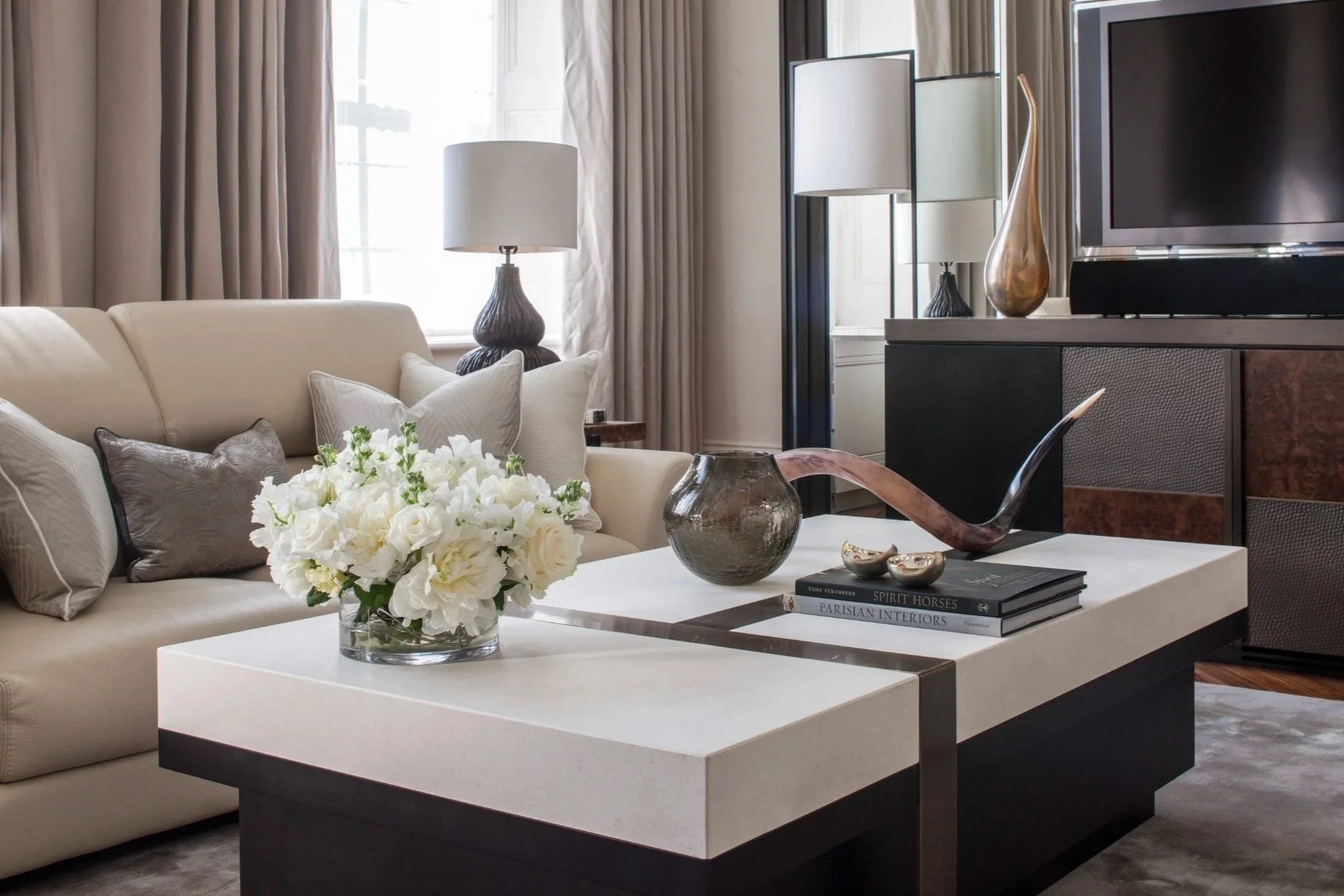
Large rooms often contain several exposure zones. A sofa may be protected by curtains, while the table in front of it receives full afternoon light. A stone island may tolerate heat and wiping, while the joinery below responds to steam, wet hands and an unventilated appliance. Treating the room as a single condition conceals where the specification will be tested.
Treat sunlight as a position
Brisbane light is described broadly, but ultraviolet exposure reaches a material through a particular window at specific times. The room's orientation, the depth of an overhang, the glazing, the distance from the glass and the use of blinds all alter the load. Samples should be viewed in the room and revisited when the light is strongest, not judged solely under showroom lighting.
I have written about what Brisbane's climate means for buying beautifully. The next step is to create a maintenance plan. If a textile is expected to fade in colour, decide whether that change will be even and acceptable. If a rug or chair needs to be rotated periodically, record who will do it. If a coating can be renewed, understand the process before installation.
Window treatments can moderate exposure, but a room should not rely on constant vigilance. A material is poorly placed when it remains satisfactory only if a blind stays closed for the hours the household wants the room open.
Separate humidity, water and salt
Humidity, water and salt air are distinct environmental conditions. Humidity can affect the movement of timber, the behaviour of natural fibres and the stability of certain adhesives. Water tests the integrity of seals, joints and edges, and the ability of an assembly to dry. Salt increases the risk of corrosion and should be addressed with care.
The response is often found in construction rather than in a harder-looking surface. Ventilation, drained edges, inspection access and appropriate fixings can matter as much as the visible finish. Metal may be suitable when its coating, junctions and maintenance cycle are considered together. Timber may work near an opening when it can move, dry and be refinished without dismantling the room.
Thresholds deserve particular attention because they collect several loads at once. Sun, rain carried on shoes, garden soil, cleaning, and frequent movement converge in a narrow area. The interior beyond may still use more refined materials, provided the threshold absorbs the harsher work and the route does not spread it unnecessarily through the house.
Put touch and cleaning into the brief
Some surfaces age through handling rather than weather. Cabinet pulls, table edges, chair arms, stair rails and the fronts of frequently used drawers receive concentrated contact. Skin oils, jewellery, bags and repeated wiping can alter sheen or colour long before the surrounding material changes.
The care method must suit both the finish and the household. Polished metal that marks easily may be appropriate in a room that is regularly maintained, yet it can become an irritation where it is touched throughout the day or requires specialised cleaning. The decision depends on the appearance the client expects and the attention required to maintain it.
Clear information protects the object and the people caring for it. The handover record should identify the finish, the approved cleaner, actions to avoid, care frequency and the repair contact. A household team should not have to infer whether a mark is removable, a natural change or evidence that the wrong product was used.
Design for renewal and replacement
Long life does not mean remaining untouched. Upholstery may need recovering, timber refinishing, stone resealing, hardware adjustment or replacement of a damaged component. Removable elements, accessible fixings and replaceable components make that work possible without sacrificing the entire piece.
Approve the maintenance plan with the material
Before approving a finish, decide what change is expected, what constitutes damage, how the surface will be cleaned, whether it can be repaired locally, and what must be retained for replacement. These answers do not remove ageing. They distinguish acceptable change from avoidable failure and ensure future care is proportionate to the material's value and use.
A Brisbane interior need not be reduced to a narrow set of supposedly indestructible finishes. It can include pale textiles, polished metal, dark stone, timber and other materials with distinct characters. The discipline lies in giving each material the right position, detail and maintenance path. A material can then live with the climate because its future has been considered as carefully as its first appearance.
Daniel Kostiuc Interior Design is a luxury interior design studio based in Brisbane, offering residential interior design and interior decoration across Queensland, Australia and internationally. Services include new builds, renovations, and complete furnishing projects, including space planning, custom joinery, bespoke furniture, furniture selection, lighting, art, and accessories for high-end homes.