
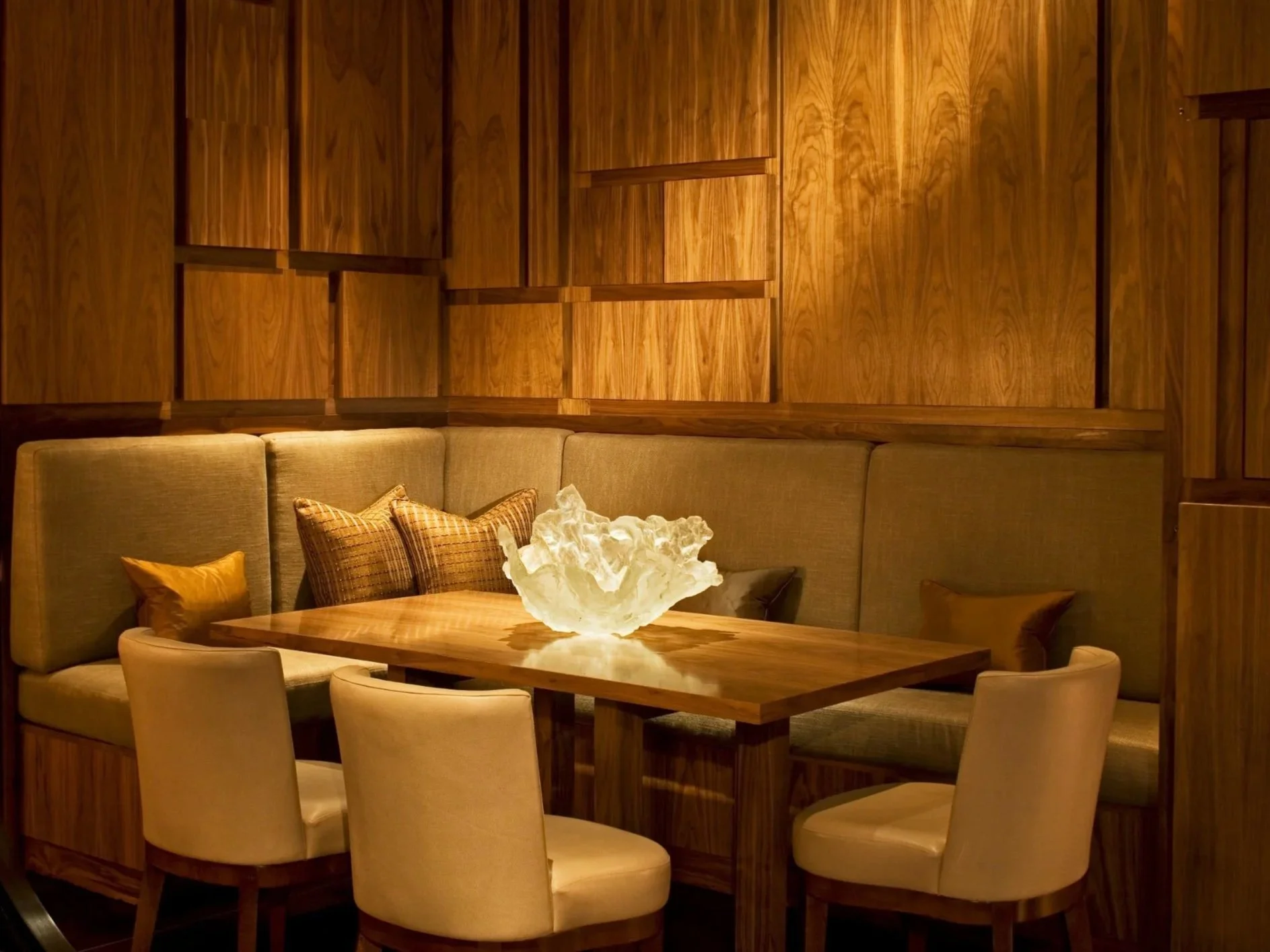
Dining nook from Sepia Stories. The room is shaped around the repeated act of sitting down together rather than a formal idea of display.
A home becomes personal when its rooms recognise the people living in them. Their habits, furniture, collections and private routines provide better direction than an adopted style.
A house begins to feel like home when it reflects the people living there without needing to explain them. The evidence is usually ordinary: where everyone sits at the end of the day, which door they enter through, what they read, what they collect and the objects they would never choose simply to fill a room.
I do not think this requires an interior to become a literal autobiography. A room can be deeply personal without turning every memory into a decorative theme. The work lies in recognising which habits and possessions deserve to shape the plan, then giving them enough space to register naturally.
Start with repeated behaviour
A reliable way to understand a household is to look at what happens repeatedly. If breakfast is the only meal everyone shares, the breakfast place deserves more attention than a formal table used occasionally. If two people read in the same room, the lighting and seating should support them without requiring the same chair or routine.
These observations affect more than furniture. They influence storage, circulation, privacy and which rooms should feel connected. The Brief Beneath the Brief explores how this information emerges during a project. The important point is that daily behaviour gives the house its first personal structure.
Keep the pieces that carry meaning
Existing furniture and art do not need to match a new scheme to belong in it. An inherited cabinet may give weight to a contemporary room, and a chair with signs of use may be worth retaining even when another would photograph more perfectly.
I assess each piece by the role it can play. Some should remain prominent. Others may work better in a quieter room or after repair and reupholstery. Sentimental value does not guarantee a useful position, but it deserves to be considered before the interior is designed as though the household owns nothing.
The number and type of bespoke pieces also vary substantially from one commission to another. A piece should be made for the home when a particular wall or use calls for it, rather than to fill a quota of custom work.
Design for private rituals as carefully as public ones
Homes often receive the bulk of their design attention where visitors will see it. The rooms that create belonging may be more private, such as a bedside table with room for the things used each evening or a dressing chair placed in the right light.
These decisions rarely announce themselves. They allow the house to support its owners without asking for attention. My earlier article A Home to Be Lived In, Not Just Admired considers the wider value of comfort and privacy. Here, the distinction is personal: another household might need the same room to behave differently.
Give collections an architectural place
Books, ceramics, photographs and art can make a room unmistakably individual. Their effect depends on how they are held. A collection spread indiscriminately across every surface becomes visual background, whereas a cabinet or a run of shelves can give it order without making it feel institutional.
The display should reflect how the collection is used. Books that are read need accessible shelving, while fragile objects may need protection from light or handling. The architecture should support the collection rather than treating it as an accessory added after every elevation is complete.
Allow rooms to differ
A personal house does not need one atmosphere repeated from entrance to bedroom. One owner may want a formal dining room and a very relaxed kitchen. A study can be intense and collected while the bedroom remains quiet. These changes give the house emotional range.
Cohesion comes from judgement across those differences: related proportions and a clear understanding of which elements should return. Matching every room can remove the distinctions that make the house useful.
Leave space for life to continue
An interior can be so resolved that any new book or chair feels like an intrusion. That is not a useful kind of completeness. A home should be able to absorb the next stage of its occupants' lives.
Rooms need not be left unfinished for this. It is enough to allow some shelves to change and to avoid decorative arrangements that depend on nobody touching them. The design establishes order without freezing the house at installation.
Interior decoration and furnishing becomes personal when it begins with these particulars rather than an image of how the household should live. The next article asks whether the judgement behind those choices can be developed: Can Good Taste Be Learned?.
If your home needs to feel more closely connected to the way you live and the things you value, contact the studio to discuss a whole-home furnishing or interior design brief.