
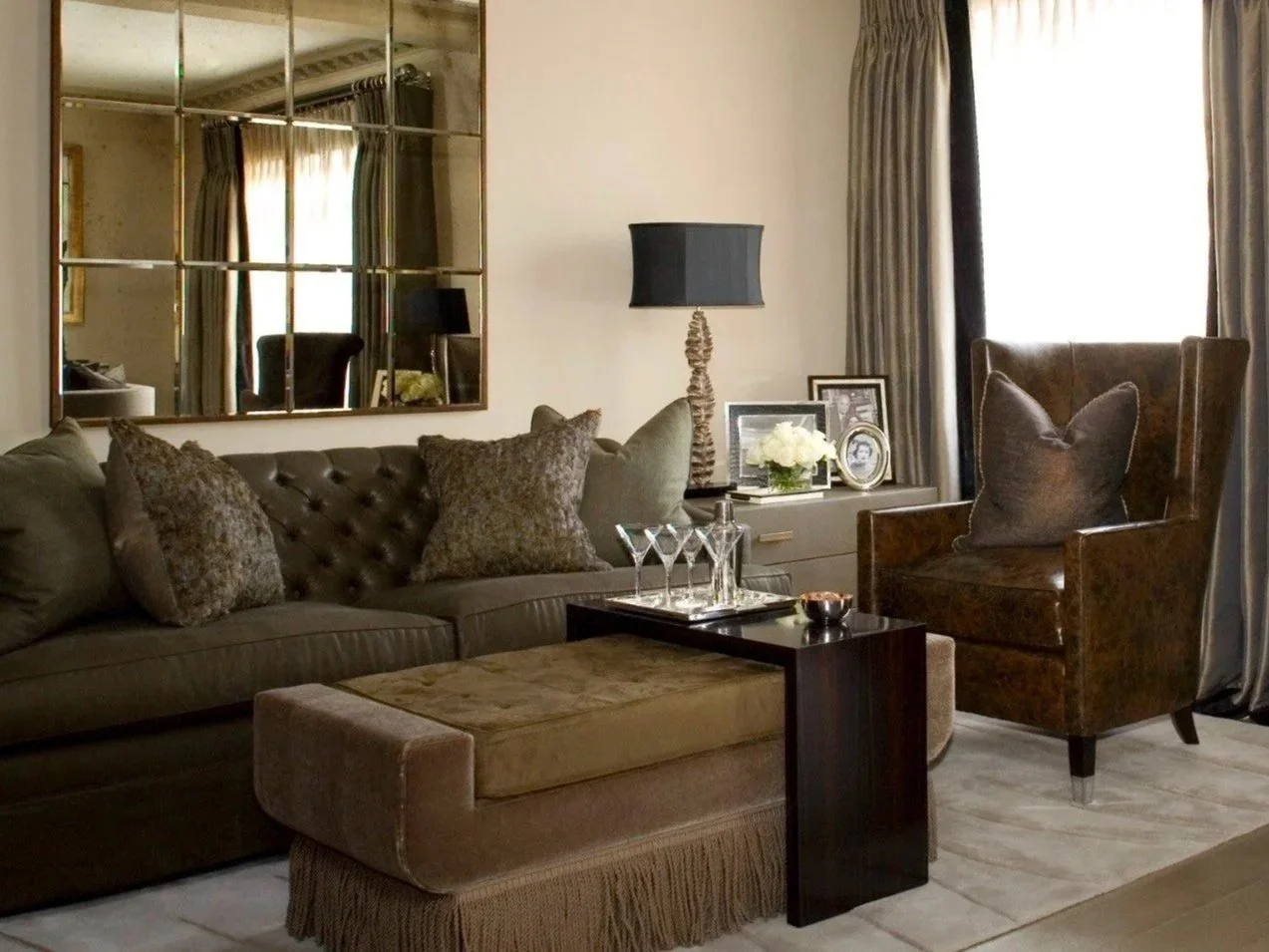
Photography: Richard Waite
The distinction is less about status than responsibility. If the plan, joinery, lighting or construction must change, the project needs interior design. If the architecture works and the home needs furnishing, decoration may be the right service.
An interior designer and an interior decorator can both shape the character of a home. The practical difference is the part of the project they are engaged to change.
If the work affects planning, circulation, kitchens, bathrooms, joinery, lighting, materials or coordination with construction, the brief belongs within interior design. If the architecture already works and the project concerns furniture, window treatments, rugs, decorative lighting, art and objects, interior decoration and furnishing may be the more accurate service.
Many residential projects contain both. Whichever title sounds more substantial, the useful question is where the important decisions begin.
Choose interior design when the plan is part of the problem
A room can be unattractive because it is poorly furnished. It can also be difficult because doors interrupt every wall or the kitchen is disconnected from the way the family lives. Decoration can improve atmosphere, but it cannot resolve the underlying plan.
Renovation and spatial design can address room relationships, furniture planning, joinery, lighting and finishes alongside the architect and builder where construction is involved. The interior designer examines how those decisions meet the body: where someone walks, sits, prepares food, stores clothing or turns on a light.
This work should begin before structural and service decisions are fixed. Once openings and cabinetry are built, the available decorative choices inherit their limitations.
Choose decoration when the architecture already works
A completed home may have good proportions and a well-planned kitchen. It can still feel impersonal or unresolved. In that case, furniture, textiles, colour, lighting and art may be the principal work.
Decoration is not a superficial version of design. A complete furnishing scheme requires plans, scale, proportion and an understanding of how rooms relate. Existing pieces may be retained or restored, and new furniture can be sourced or made. Window treatments affect privacy and acoustics as well as appearance.
The difference is that the architecture is accepted as the framework rather than substantially redesigned.
Consider the whole house rather than the first room
Clients often approach the decision through one visible problem, such as a living room without enough seating or an entrance that feels unfinished. Before choosing the service, I look at whether the issue repeats elsewhere.
If several rooms suffer from poor circulation or inadequate storage, the brief may be broader than furnishing. If the plan works but the rooms lack connection, a whole-home decorative scheme may create the coherence that individual purchases have not achieved.
Apartments show this clearly. One may need only complete furnishing, while another requires new lighting and joinery before furniture is considered. The property type does not decide the service; the scope does.
Use a hybrid service when the boundary moves by room
A project does not need to fit neatly into one category. The kitchen and principal suite may need interior design and documentation, while secondary rooms require furnishing. An existing house may keep its plan but receive new joinery and lighting throughout.
The scope should identify these differences at the start. This allows fees, consultants, approvals and programme to reflect the real work rather than a label applied to the whole property.
Ask what the professional will deliver
Titles alone do not tell you what is included. Ask whether the service covers measured plans, layouts, drawings, specifications, samples, supplier quotations, purchasing, freight, site coordination and installation. Clarify who communicates with the architect and builder, and who follows an order through if it arrives damaged.
The full-service residential interior design article describes how these stages can connect. A smaller brief may need only part of that sequence, but the boundary should be explicit.
Decide by consequence
The earlier and more permanent the decision, the more important it is to have the appropriate design advice. Moving a wall or committing to joinery has different consequences from replacing a chair. Both deserve thought, but they do not require the same process.
If you are unsure, begin with the problems you want the home to solve rather than the name of the service. A designer can then explain whether the project needs spatial work, furnishing or a combination.
The next article considers when to hire an interior designer for a new build or renovation.
If you would like help defining the right scope for your home, contact the studio with the property and the stage the project has reached.