
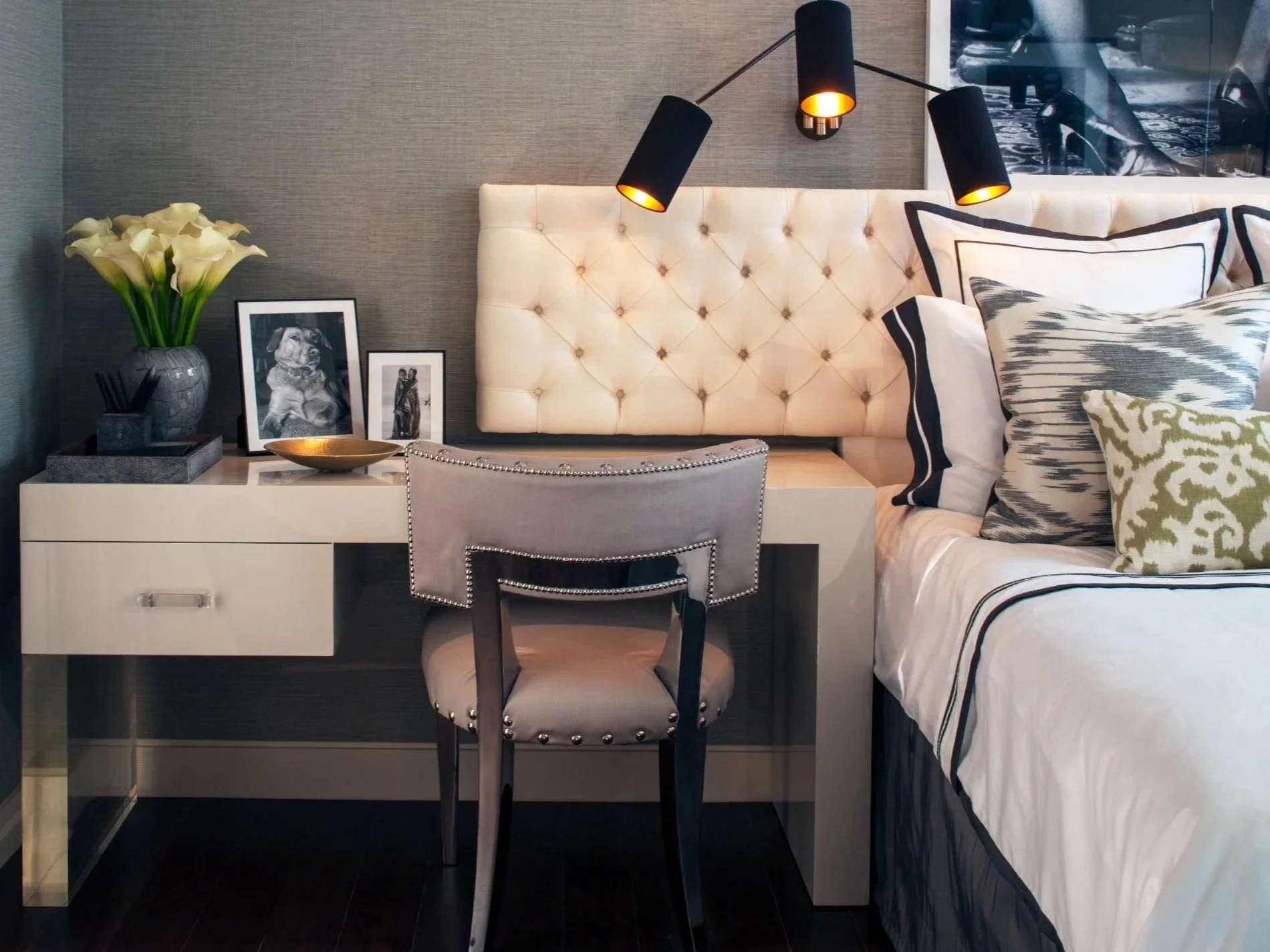
Photography: Richard Waite
Fortitude Valley’s residential character comes from adaptation. Commercial buildings, warehouses, interwar flats and new apartments create interiors with very different demands.
Few parts of inner Brisbane are as architecturally layered as Fortitude Valley. Its streets contain nineteenth-century shops, former department stores, brick warehouses, interwar flats and contemporary apartment buildings. Much of its residential identity has come through adaptation rather than a single tradition of house building.
That history gives interiors strong starting conditions and demands accuracy, since a warehouse and an Art Deco flat should not be given the same treatment simply because both are urban.
Architecture that began with another purpose
Converted commercial and industrial buildings often retain the scale and construction of their first use. Brick walls, closely spaced columns, deep floor plates and large windows may dominate the room before furniture arrives.
I would let those elements remain legible. New joinery should solve storage and services without covering every irregularity. Furniture can establish the domestic scale, creating places to sit and dine within a volume that may not have been planned around either.
Lighting is particularly useful. Rather than washing the whole space evenly, layers of light can define activity and reveal texture. Upholstery and curtains moderate acoustics where masonry and hard floors otherwise make the room tiring.
Interwar flats and compact planning
Fortitude Valley and its edges, like neighbouring New Farm and Teneriffe, also contain interwar apartment buildings that reflect the early growth of purpose-built flats close to transport and work. These homes are usually more cellular than a contemporary apartment, and they may retain masonry walls and rooms with distinct purposes.
Their compactness rewards precision. A table may need to serve dining and work, and storage can be integrated into a wall without overwhelming the room. Furniture with raised legs and a clear relationship to the floor often preserves a sense of space better than pieces selected only for small dimensions.
Where original detailing survives, the interior can work with it without becoming period decoration. Contemporary art and furniture often reveal the age of the building more clearly than any reproduction could.
Contemporary apartment life
Newer Fortitude Valley apartments serve households that value proximity and a more concentrated form of living. A smaller household does not necessarily want a generic or minimal interior. It may need serious storage, room for collected objects, a convincing place to work and enough flexibility to receive guests.
The apartment design process therefore begins with an inventory of use rather than a style. It asks which activities need privacy and which pieces are coming from another home, and the answers determine whether the work concerns furnishing alone or selected architectural changes.
The density of the suburb also changes the experience of windows, as noise and neighbouring buildings affect privacy. Layered treatments allow a room to shift through the day, while artificial lighting becomes part of the architecture after dark.
An inner-city home with its own identity
Fortitude Valley has a high proportion of apartments and smaller households, but those facts do not produce one type of client. One residence may be a principal home filled with art, while another is used between travel and must support professional work as carefully as it supports evenings with friends.
The common requirement is to use limited space deliberately. Interior decoration and furnishing can transform an apartment when the architecture is sound. Where the plan falls short, joinery and selected spatial changes can give the home a clearer structure.
If you are considering a residence in Fortitude Valley, the studio would be pleased to discuss how its architecture can become the basis of a more individual interior.