
The Journal
The Journal explores residential interior design through the ideas, craftsmanship and materials that shape a home. Drawing on more than twenty years of design experience, Daniel Kostiuc writes about interior architecture, proportion, colour, furniture, lighting, art and the details that give an interior its particular character.
Alongside these essays are encounters with artists and makers, observations on places and objects that hold our attention, and occasional news from the studio.

The Difference Between Made and Manufactured
The difference between made and manufactured furniture lies not in appearance, but in the judgement applied between a drawing and the finished object. Those decisions determine how a piece ages, wears and can be repaired.

Drawing the Detail
From across a room, many interiors can look convincing. It is only when you move closer that the difference becomes apparent. Look at where the stone meets the timber, or where a skirting terminates at an opening.
The Object That Did Not Exist
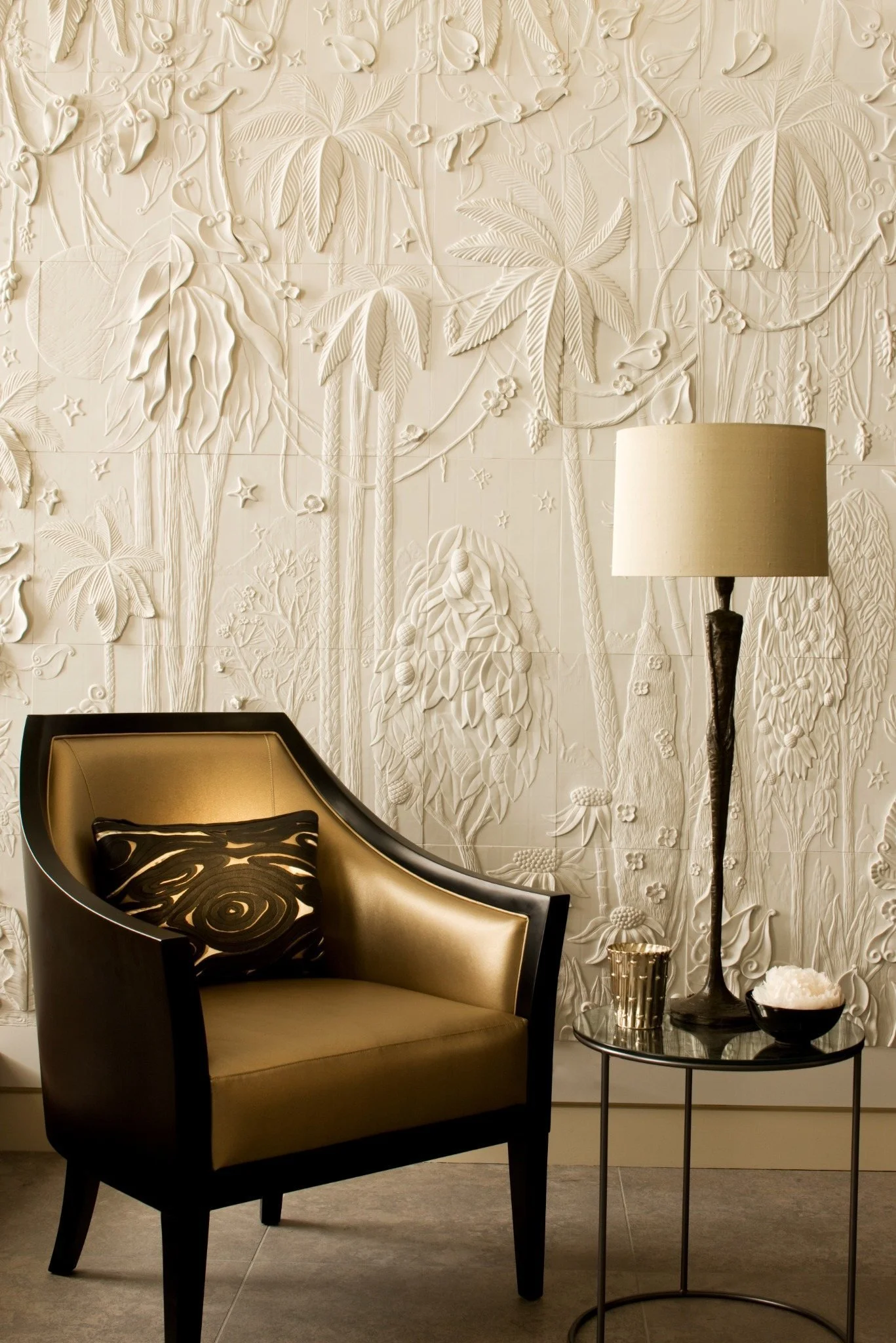
There comes a point in almost every exceptional interior when the search must end.
Colour Is a Relationship
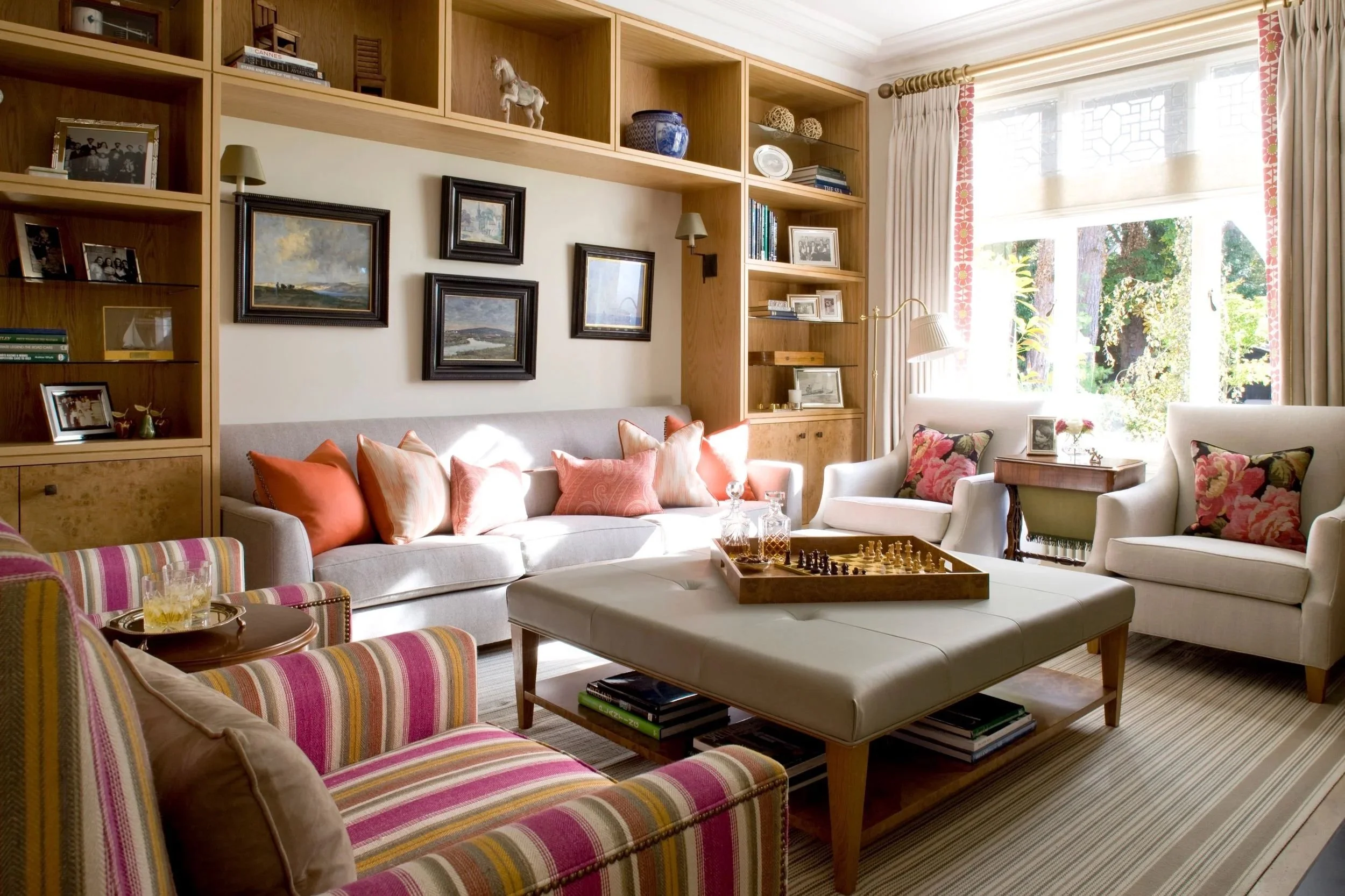
On one project, the palette for a drawing room began with a large abstract painting the client intended to keep. It featured mineral blue, tobacco, chalk, black and a small flare of faded coral.
The Intelligence of Fabric
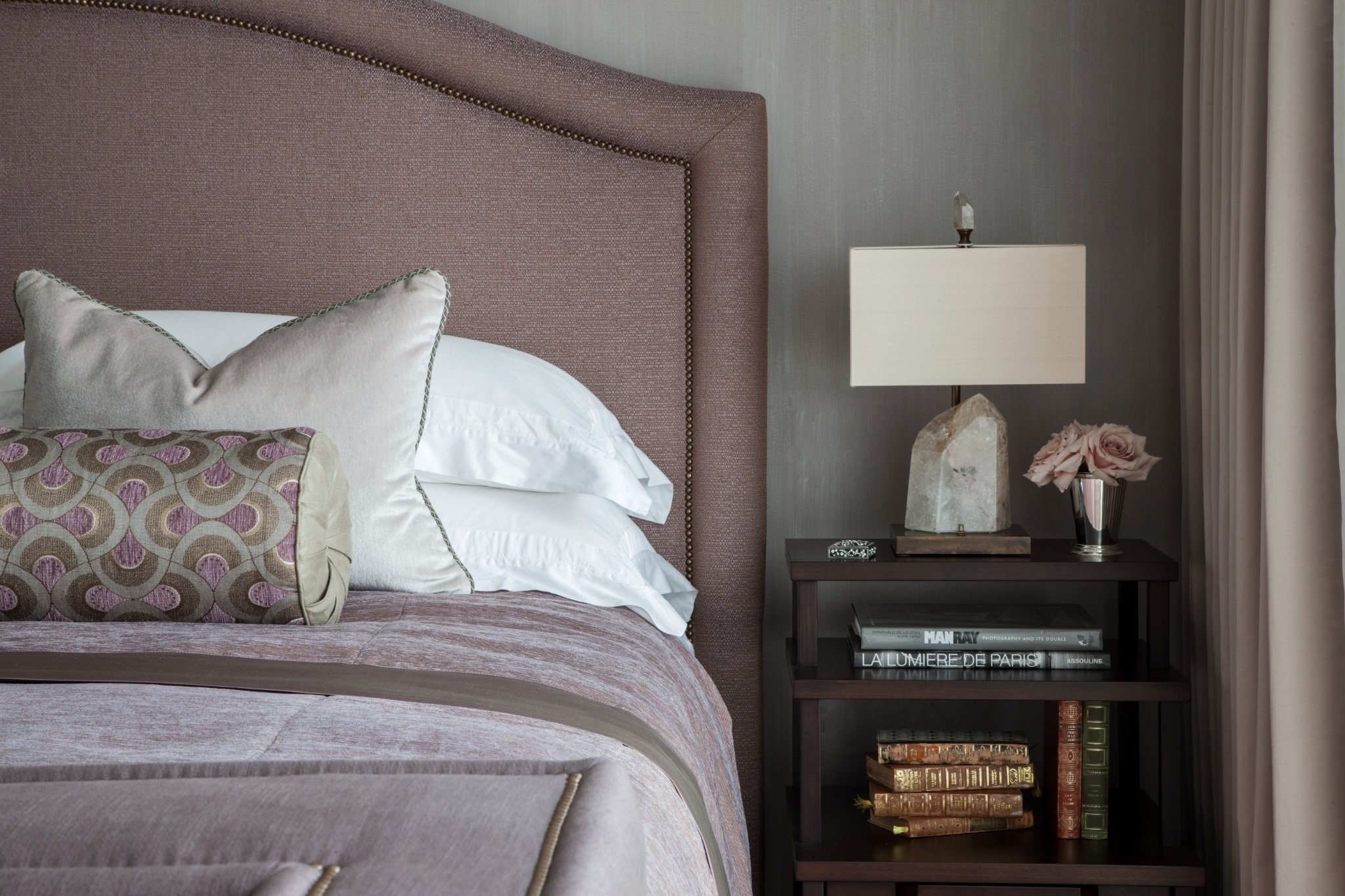
Fabric is the material in a room that comes closest to the body. We sit on it, lean against it and touch it every day, yet it is still often discussed primarily in terms of colour and pattern.

Composing the Furnished Room
A furnished room begins to take shape long before the furniture arrives.

Lighting as Sculpture
A light fixture is judged twice in every room it enters, once as a source of light and once as an object hanging there with the power off, and only one of those judgements is usually made on purpose.

Natural Stone: A Correction, Not a Comeback
Natural stone has returned to the centre of luxury interiors, and the easy explanation, that fashion simply cycles back to where it started, does not hold up under any real scrutiny. Stone never disappeared from the projects that mattered.

Provenance Is the New Status Symbol
The most telling shift in luxury this decade has nothing to do with taste. Clients at the very top of the market have stopped asking what something looks like and started asking where it came from, who made it, and how long it will last.

The Discipline of Mixing Old and New
A house furnished entirely from one era often looks like a museum exhibit or a showroom. A house that mixes periods without discipline looks chaotic.

Why the Best Materials Get Better With Age
Most clients understandably want a room to look finished the day it is delivered. The more revealing question is how it will look once it stops being new. Thoughtful clients want to know how it will look once it stops being new.