
The Journal
The Journal explores residential interior design through the ideas, craftsmanship and materials that shape a home. Drawing on more than twenty years of design experience, Daniel Kostiuc writes about interior architecture, proportion, colour, furniture, lighting, art and the details that give an interior its particular character.
Alongside these essays are encounters with artists and makers, observations on places and objects that hold our attention, and occasional news from the studio.

How to Create a Unique Interior Without Following Design Trends
A unique interior does not need to reject everything current. It needs stronger sources of direction: the architecture, the household, existing objects and decisions made for that particular room.

Can Good Taste Be Learned? How to Develop Your Interior Design Style
Taste is not a list of approved objects. It develops through attention: noticing proportion, comparing rooms, understanding materials and learning why one decision continues to feel right.

How to Make a House Feel Like Home Through Interior Design
A home becomes personal when its rooms recognise the people living in them. Their habits, furniture, collections and private routines provide better direction than an adopted style.

Privacy Is Not a Window Treatment
Privacy in a luxury home begins with sightlines, hierarchy, landscape and spatial planning. Daniel Kostiuc explains why curtains should provide choice rather than repair an exposed room.

What Australia Taught Me About Ease
Australian living reshaped Daniel Kostiuc’s understanding of luxury. Ease comes from thoughtful planning, beautiful materials and rooms that accommodate daily life without demanding attention.
What London Taught Me About Restraint
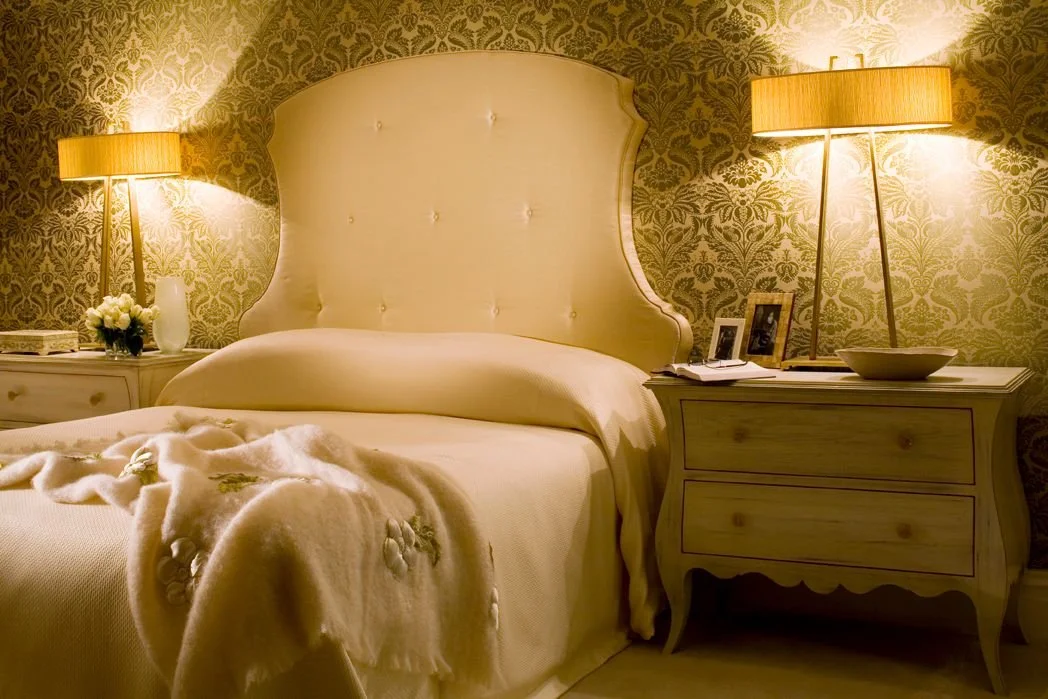
London taught Daniel Kostiuc that restraint is not absence, but the judgment to know when a room has enough. Confidence and discipline are strongest when held in balance.

What Los Angeles Taught Me About Confidence
Los Angeles taught Daniel Kostiuc that confident interior design is not simply bold. It is the willingness to make a considered decision and commit to it.
What Exceptional Projects Have in Common
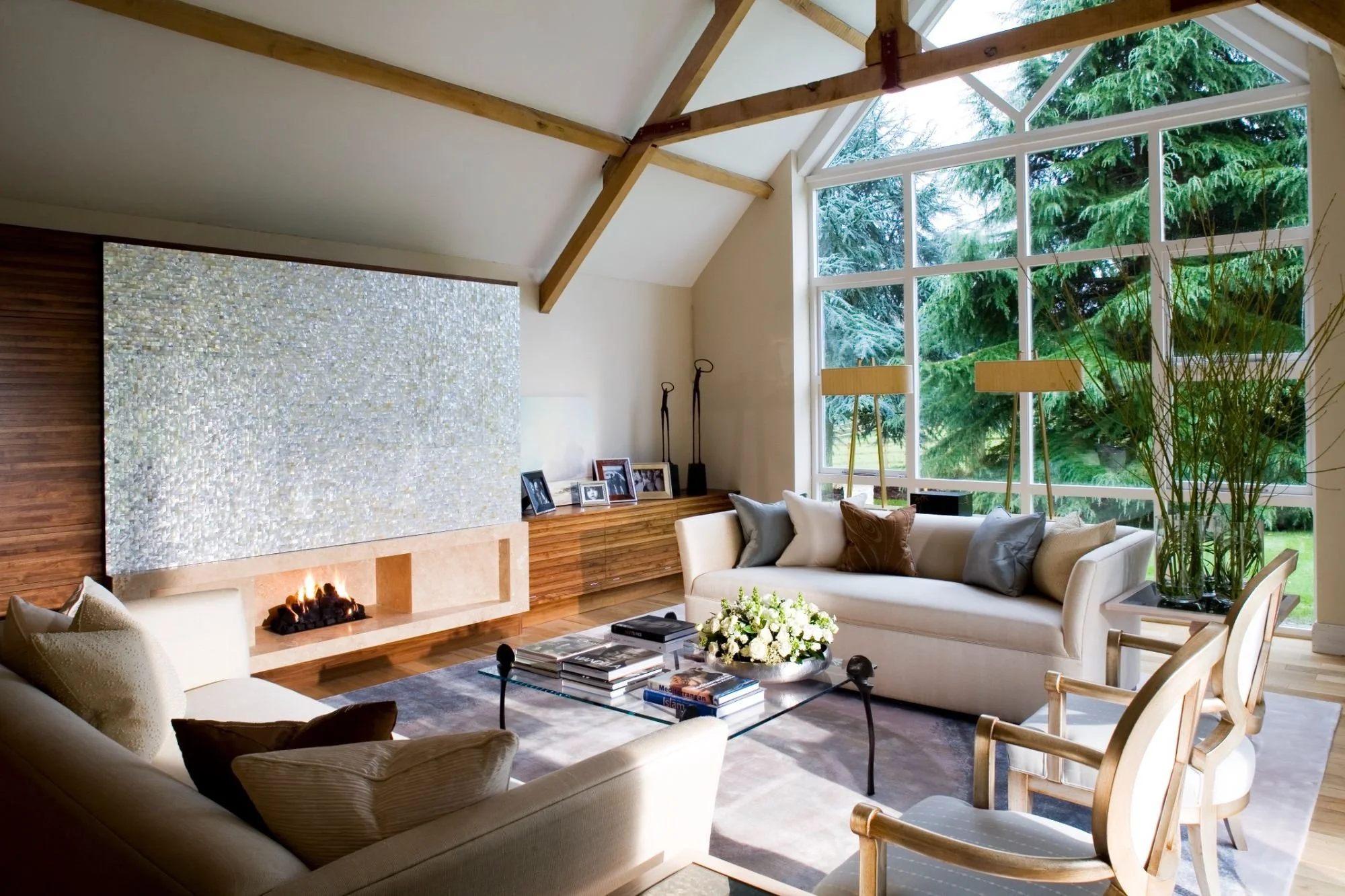
One decision predicts, more reliably than any other, whether a project will be exceptional, and it has nothing to do with budget.

A Home to Be Lived In, Not Just Admired
Every client I’ve taken on over the past few years has arrived with the same complaint, disguised as a floor plan question. They ask about the third guest suite or whether the kitchen island should seat six or eight.

What Twenty Years Taught Me About Being Wrong
Early in my career, I designed a primary bedroom I was proud of. It featured a considered palette, beautiful joinery, and a lighting plan I had thought through for weeks.

Reading a Room for Proportion
Before I choose a palette or source a single piece, I read a room for proportion: the relationship between ceiling height and floor area, between window size and the wall mass that carries it, and how a room’s depth sets the scale of whatever has to fill it.

The Room You Cannot See
No client has ever shown me a photograph of a room they loved and pointed to the silence.

The Unchanging Principles: Light, Proportion and Colour
When I left Los Angeles for London in the late 2000s, I believed I understood proportion.

Thinking in Public
A finished room rarely shows its reasoning. A guest sees good proportion without knowing it was tested against three furniture layouts before being chosen.